

What is Stone Wool and How It’s Produced?
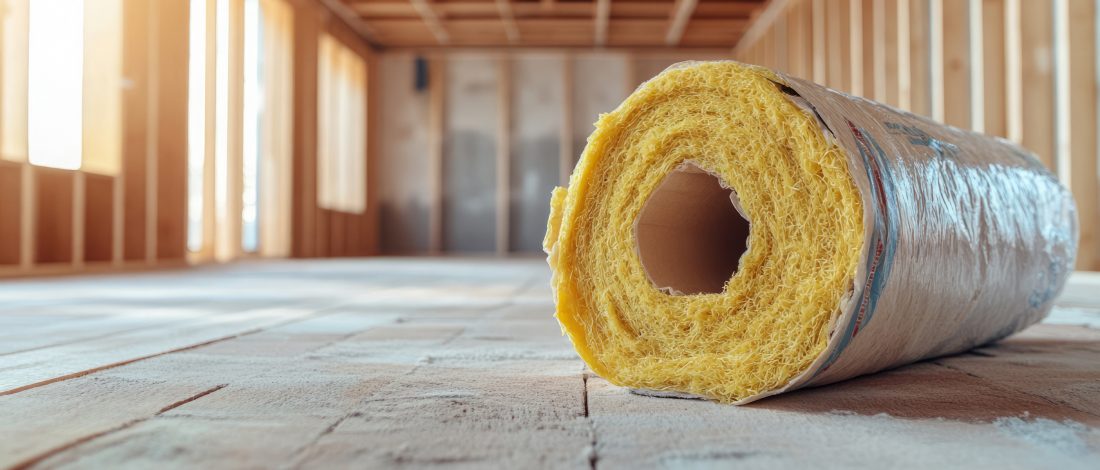
Stone wool, also referred to as rock wool or mineral wool, is an advanced insulation material made from natural volcanic rocks, such as basalt and dolomite. The production process involves melting the rocks at extremely high temperatures to create fine fibers that are spun and compressed into sheets, rolls, or boards for various construction and industrial uses.
The Production Process of Stone Wool:
Melting the Rocks: The first step in the process is to crush and heat the raw materials, typically basalt or dolomite, to a temperature of around 1,400°C to 1,600°C (2,550°F to 2,910°F). This high heat turns the solid rock into molten lava.
Spinning the Molten Material: The molten rock is then spun into fibers using centrifugal force, creating a wool-like texture. This fiber structure is key to the material’s insulating properties. The fibers are very fine and have a high surface area, which enhances their ability to trap air and reduce heat transfer.
Binding and Shaping: Once the fibers are created, they are combined with a small amount of binder (usually a resin) to hold them together and form the final product. This mixture is then shaped into batts, rolls, or boards, depending on the desired application.
Cooling and Curing: The formed stone wool is cooled and cured to ensure it retains its structure and strength. The final product is lightweight yet durable, with exceptional thermal, acoustic, and fire-resistant properties.
Eco-Friendly Production: One of the major benefits of stone wool is its sustainable production process. At ThermoWool, we use a smart factory system designed with Industry 4.0 principles. This means our processes are highly efficient, minimizing waste and maximizing energy use. We aim for zero waste, and materials that would typically be discarded are recycled back into production, contributing to a circular economy and significantly reducing environmental impact.
This manufacturing process ensures that stone wool maintains its superior performance in thermal insulation, fire resistance, soundproofing, and moisture resistance, making it a highly reliable choice for modern construction.