

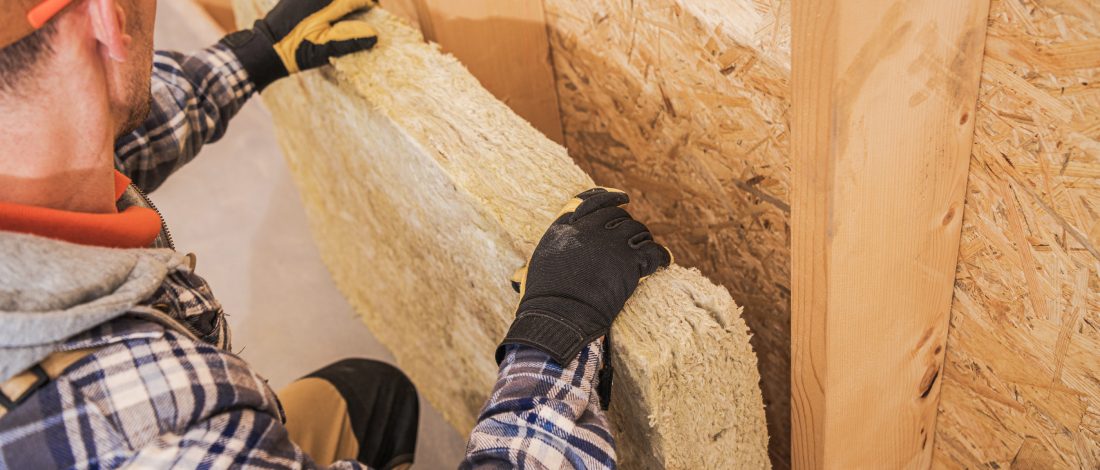
The Benefits of Stone Wool Insulation
Stone wool insulation offers a multitude of benefits that make it an ideal material for both residential and commercial applications. Here are the key advantages:
Superior Thermal Insulation: Stone wool is an excellent thermal insulator, with a thermal conductivity of around 0.035 W/m·K, which means it helps to effectively reduce heat transfer. This high-performance insulation keeps your buildings cooler in the summer and warmer in the winter, helping to reduce energy consumption and lower utility bills. Stone wool is especially useful for high-performance applications like energy-efficient homes and commercial buildings.
Exceptional Fire Resistance: One of stone wool’s most remarkable properties is its fire resistance. It can withstand temperatures of up to 1,000°C (1,832°F) without melting or burning, making it an invaluable material for enhancing the fire safety of any structure. This resistance helps to prevent the spread of fire and protects both the building and its occupants. Stone wool is also non-combustible, providing an added layer of security in the event of a fire.
Acoustic Performance: Stone wool is highly effective at sound absorption. Its porous structure and fine fibers trap sound waves, reducing noise transmission between rooms or from external sources. Stone wool insulation can achieve a Noise Reduction Coefficient (NRC) of 0.9 or higher, meaning it significantly reduces noise levels, making it ideal for applications such as offices, apartments, schools, or hospitals, where quiet environments are essential.
Moisture and Water Resistance: Stone wool’s resistance to moisture is another standout benefit. It doesn’t absorb water, which ensures that its thermal and acoustic properties remain intact, even in humid or wet conditions. Unlike other insulation materials, stone wool doesn’t promote mold growth, which can lead to structural damage or health issues. It is highly effective for use in areas exposed to moisture, such as basements, crawl spaces, and attics.
Sustainability and Low Environmental Impact: Stone wool is made from abundant, natural, and recycled materials, and its production process is designed to minimize environmental impact. At ThermoWool, we use a zero-waste manufacturing process. All by-products are recycled back into the system, reducing the need for new raw materials. Stone wool is also fully recyclable at the end of its life, making it an eco-friendly option for construction. Additionally, stone wool insulation helps to lower carbon emissions by improving the energy efficiency of buildings.
Durability and Longevity: Stone wool insulation is highly durable and has a long lifespan. Unlike materials like fiberglass, it does not degrade or lose its insulating properties over time. It is resistant to pests, rot, and decay, meaning that it continues to provide effective insulation for decades. Stone wool’s resilience makes it a low-maintenance option, which is ideal for long-term use in both residential and commercial buildings.
Health and Safety: Stone wool is non-toxic and does not release harmful fibers or gases into the air, making it a safe and healthy choice for indoor environments. It is non-carcinogenic, unlike some other insulation materials, and doesn’t cause irritation to the skin or respiratory system, ensuring that it is safe for both installation and long-term use.